How Do I Lose Belly Fat at the Gym: The Best Way

Key Takeaways
- High-Intensity Interval Training (HIIT) burns more calories in less time.
- Consistency and progressive overload in your training are more powerful than any single workout trend.
- A premium gym environment with the right equipment, coaching, and community dramatically improves adherence and results.
- Recovery is not optional – sleep, mobility, and active rest are integral parts of any effective fat-loss program.
Belly fat is one of the most stubborn challenges gym-goers face. You show up, you put in the work, and yet the midsection seems to resist. The frustration is real, but so is the solution, once you understand what actually moves the needle.
Most people approach belly fat with the wrong game plan: endless crunches, long, slow cardio sessions, or quick-fix routines. The science tells a very different story. Losing belly fat, specifically visceral fat (the kind that sits deep in your abdomen), requires a smarter combination of exercise types, training intensity, and lifestyle habits.
What Type of Exercise Burns Belly Fat the Fastest

The short answer: no single exercise burns belly fat in isolation. But certain training combinations create the conditions for fat loss far more efficiently than others.
1. HIIT (High-Intensity Interval Training)
HIIT remains one of the most time-efficient fat-burning methods available. Studies from the British Journal of Sports Medicine have shown that HIIT reduces total abdominal fat more effectively than moderate-intensity continuous exercise. A 20 to 30 minute HIIT session done 3 to 4 times per week can accelerate fat loss while preserving lean muscle.
Good HIIT formats for belly fat include sprint intervals on the treadmill or bike, battle ropes, kettlebell swings, and circuit-style conditioning. The key is effort; you need to push close to your maximum capacity during the work intervals.
2. Strength Training
Muscle tissue burns more calories at rest than fat tissue. Building lean muscle through compound strength movements like squats, deadlifts, bench press, and rows. Raises your basal metabolic rate, meaning you burn more calories all day, not just during your workout. According to the American Council on Exercise, strength training is essential for long-term fat loss because it changes your body’s composition at a fundamental level.
At Replay Club’s fitness facility, members have access to full-range strength equipment, performance-focused training zones, and qualified coaching to ensure proper form and progressive programming, all critical for getting these results safely.
3. Steady-State Cardio
While HIIT and strength training take priority, steady-state cardio still has a place. Particularly for active recovery days and building your aerobic base. A 30 to 45 minute brisk walk, light jog, or cycle at a conversational pace supports fat oxidation without overloading your recovery system.
How Many Days a Week Should You Train to Lose Belly Fat
Frequency matters, but it has to be sustainable. Training five days a week with poor recovery will undermine your results. A well-structured four-to-five-day program, with intentional rest or active recovery built in, tends to outperform more aggressive schedules for most people.
A practical split for belly fat loss might look like this:
- Day 1: Full-body strength training
- Day 2: HIIT cardio (20 to 30 min)
- Day 3: Active recovery
- Day 4: Upper body strength + core work
- Day 5: Lower body strength + HIIT finisher
- Day 6: Steady-state cardio or recreational sport (padel or pickleball at Replay Club)
- Day 7: Full rest
This structure ensures you’re stimulating fat loss consistently while giving your body the repair time it needs. The National Academy of Sports Medicine recommends at least 48 hours of recovery between training the same muscle groups at high intensity.
Does Core Training Help Reduce Belly Fat

This is one of the most common misconceptions in fitness. Core exercises include crunches, planks, and leg raises. Strengthen and define the abdominal muscles, but they do not directly burn the fat layer on top of them. Spot reduction is a myth that has been disproven repeatedly in the exercise science literature.
That said, core training is still incredibly important. A strong core improves posture, supports heavier compound lifts, reduces injury risk, and contributes to the overall caloric burn of your sessions. Think of core work as the foundation that makes everything else more effective, not a fat-burning solution on its own.
Incorporate 2 to 3 core-focused exercises at the end of your strength sessions: dead bugs, cable crunches, pallof press variations, and RKC planks are all highly effective options. Replay Club’s fitness coaching team can build these into a personalised program that fits your specific goals.
The Role of Progressive Overload in Long-Term Fat Loss
One of the most underrated principles in belly fat training is progressive overload. This means gradually increasing the demands on your body over time. More weight, more reps, shorter rest periods, or more complex movements. Without progression, your body adapts, your caloric burn plateaus, and results stall.
Tracking your lifts, monitoring your intensity, and regularly reassessing your program are all essential habits. According to the National Strength and Conditioning Association, progressive overload is the primary driver of muscle adaptation, which, as established, is the engine of sustainable fat loss.
This is one area where training in a well-equipped facility truly pays off. Replay Club offers the full range of tools needed for proper progression from free weights and cable machines to performance monitoring and professional coaching support.
Recovery, Sleep, and Stress: The Hidden Variables
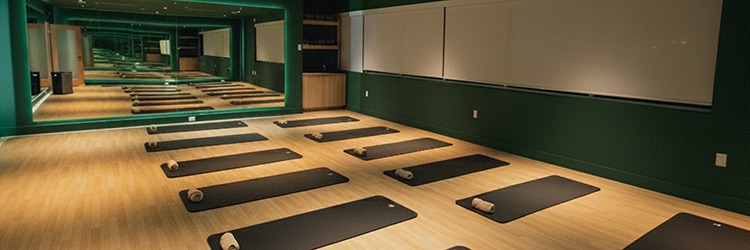
Training hard is only half the equation. How you recover from training largely determines how much fat your body actually releases over time. Sleep, in particular, is non-negotiable.
Chronic stress also may work against you. Elevated cortisol signals your body to store more visceral fat, particularly in the abdominal region. Active recovery methods such as stretching, foam rolling, sauna, and light movement help manage cortisol and accelerate tissue repair between hard sessions.
Replay Club’s wellness facilities support this side of training too. The recovery environment is built into the experience, not treated as an afterthought. Members who train hard and recover smart consistently see faster, more sustainable results.
Nutrition Cannot Be Ignored
You cannot out-train a poor diet. While this article focuses on gym strategy, it would be incomplete without acknowledging that belly fat loss requires a caloric deficit, consuming fewer calories than you expend. The gym creates the caloric burn and the muscle-building signal; what you eat determines whether your body uses stored fat as fuel.
General evidence-based principles include prioritising protein (which supports muscle retention and satiety), reducing refined sugar and ultra-processed foods, staying hydrated, and eating in a moderate caloric deficit rather than a severe one.
Final Takeaways
- Combine HIIT, compound strength movements, and steady-state cardio in a structured weekly program. Train with intention:
- Your body adapts quickly, so your training must evolve to keep producing results. Progressive overload is essential:
- Sleep, stress management, and active rest are as important as the training itself. Prioritise recovery:
- It supports your bigger lifts and improves your overall composition over time. Core work builds strength, not fat-burning:
- Training creates the conditions for fat loss; your diet determines whether it happens. Nutrition drives results:
- Training in a premium facility with the right equipment and coaching support dramatically improves adherence and outcomes. Environment matters:
Your Next Step
Losing belly fat at the gym is not about working harder; it’s about working smarter. The combination of HIIT, progressive strength training, adequate recovery, and a sustainable caloric deficit creates the physiological conditions for your body to release stored fat. None of this requires perfection. It requires consistency, structure, and the right environment to execute in.
That’s exactly what Replay Club is designed to deliver. As a premium fitness and wellness destination in Palm Beach and Boynton Beach, Replay Club brings together world-class facilities, performance-focused training, and a community that keeps you showing up. Whether your goal is losing belly fat, improving athletic performance, or simply feeling better every day, the foundation is the same and it starts here.
Explore what’s possible at Replay Club and take the first step toward a stronger, leaner version of yourself.